Basement Water Comes in Three Grades of Trouble
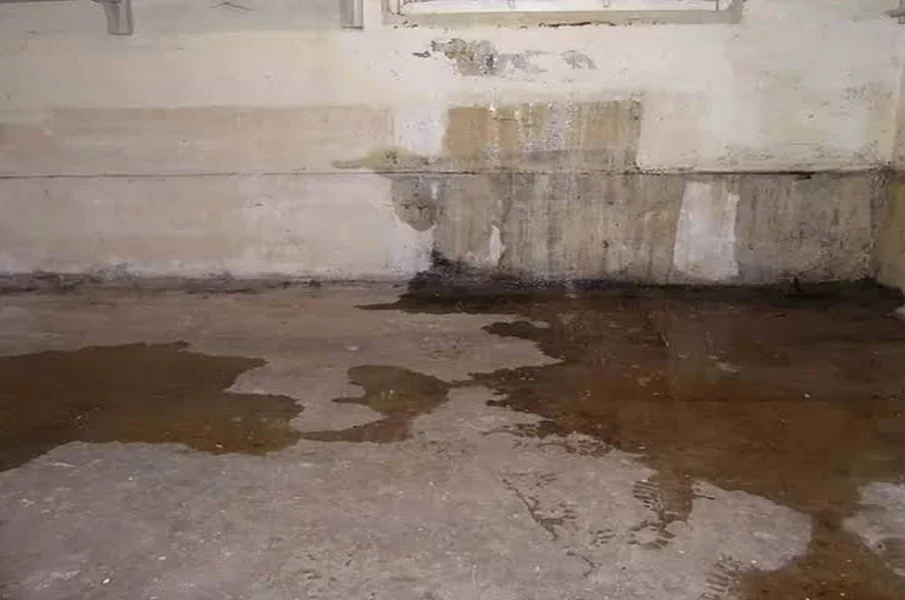
Two basements can hold the same three inches of water and still need completely different cleanups. One flooded because a supply line split behind the washer. The other flooded because the sewer lateral backed up during a hard August storm. One is an inconvenience. The other is a health hazard that changes what can be saved and who should touch it.
That difference is the first thing a trained crew sorts out, long before fans start running. Homeowners across Baltimore County and the rest of Central Maryland who call Flood Solutions Inc get an IICRC certified team out of Parkville that is available around the clock and works directly with insurance carriers, and the opening minutes of that visit are mostly spent working out what kind of water is on the floor. Knowing how that sorting works helps you act wisely before anyone arrives.
Water Gets Graded Before Anything Gets Dried
The restoration industry follows the IICRC S500 standard, which places water into three categories based on how contaminated it is. Category 1 comes from a sanitary source and carries little risk on contact. Category 2 contains enough contamination to make people sick if they are exposed to it. Category 3 is grossly contaminated and can carry bacteria, viruses, chemicals and silt.
The grade matters because it sets the rules for everything after. It decides whether the carpet gets dried in place or cut out, whether drywall gets a flood cut or simply gets dried with air movement, and whether the crew wears gloves or full protective gear. A separate measure called the class of water describes how much moisture has soaked into the room, from a small damp patch up to deeply saturated materials like hardwood and concrete.
The Clean Leak That Starts the Clock
Category 1 water is the most forgiving kind, and in Maryland homes it usually shows up from a handful of familiar places. Supply lines to washers and toilets fail with age. Pipes in exterior walls and crawlspaces split during January cold snaps. Water heaters tucked into the corner of the basement eventually rust through at the bottom of the tank.
Because this water starts out clean, a lot can be rescued. Carpet and pad can often be dried in place if extraction happens quickly. Drywall that wicked up only a few inches can sometimes be dried rather than removed.
The catch is that clean water does not stay clean forever. It picks up whatever it touches on the way across the floor. That is why the first hour matters more than the first day.
When the Washer Wins the Argument
Category 2 is the gray middle ground, and it covers more household accidents than most people expect. Common sources include
- a washing machine that overflows or drains onto the floor
- a dishwasher leak that runs down into the basement ceiling
- a toilet overflow with urine but no solid waste
- a sump pit that overflows when the pump fails during heavy rain
Groundwater seepage deserves a mention here too. Researchers at UMBC, working alongside Baltimore City’s public works department, have studied rising water tables as a cause of basement flooding in the city, and that water travels through soil and foundation cracks before it reaches your floor. Restorers generally treat it with more caution than a burst supply line.
With gray water, the carpet pad is usually replaced because it soaks up contamination like a sponge and cannot be reliably cleaned. The carpet itself may survive after extraction and antimicrobial treatment. Hard surfaces get disinfected before drying begins.
Sewage Rewrites Every Rule
Category 3 is where the approach changes entirely. A sewer backup through a floor drain or basement toilet, water from an overflowing creek like Herring Run, and storm water that has crossed streets and yards all land in this grade. Contact with it can make people seriously ill, so nobody in the household should be wading through it barefoot or sorting belongings by hand.
Baltimore City’s public works department has a short sewer backup brochure that lays out the homeowner side clearly. It advises stopping all water use, cutting power to the flooded area only when that can be done safely, and keeping the exterior cleanout visible so a crew can reach the line. It also notes that owners are responsible for blockages on their side of the property line.
Once sewage has touched porous materials, most of them leave the house. That usually includes carpet and pad, upholstered furniture, mattresses, drywall and insulation up to and above the wet line, and cardboard boxes along with anything paper stored inside them. Solid wood, metal, glass and sealed concrete can usually be cleaned and disinfected. Photographs and keepsakes should be bagged and set aside for special handling.
Time Can Downgrade Clean Water
Here is the part that catches homeowners off guard. A Category 1 leak left sitting can slide into Category 2, and gray water left long enough can drift toward Category 3. Bacteria multiply in standing water, especially in a warm basement during a humid Maryland summer, and the materials underneath start contributing their own contamination.
The EPA notes that mold can begin growing on wet materials within 24 to 48 hours. That window lines up closely with when clean water stops behaving like clean water. A washer leak handled the same morning is a drying job. The same leak found after a long weekend away may become a tear out.
So the most useful thing you can do while waiting for help is to stop the source, shut off power to the area if it is safe, and get anything valuable up off the floor. Mopping rarely reaches water hiding in the pad or wall cavity.
Older Basements Add Their Own Twists
Much of the housing stock around Parkville, Towson, Overlea and Rosedale dates back decades, and those basements behave differently from new construction. Concrete block walls wick moisture upward and hold it for days. Finished basements in these homes were often added later, with drywall and carpet laid right over bare slab.
That combination means water travels in ways that are easy to miss. It slips under baseboards and settles beneath vinyl plank flooring where it cannot evaporate. Moisture meters and thermal cameras are how restorers find it, and readings are compared against an unaffected area of the same house to decide when drying is truly finished.
Older homes also tend to have a floor drain tied straight into the sewer line, which is exactly the path sewage uses during a backup. Baltimore City’s guidance recommends a backflow valve on the lowest drain and warns against connecting sump pumps to the sanitary sewer, two changes worth discussing with a licensed plumber once the cleanup is over.
When water appears in your basement again, resist the urge to judge it by depth or how bad the room looks. Ask where it came from, how long it has been there and what it has touched along the way. Those answers decide the grade, and the grade decides almost everything that follows.