Choosing a Roof After Hail Means Choosing What to Give Up
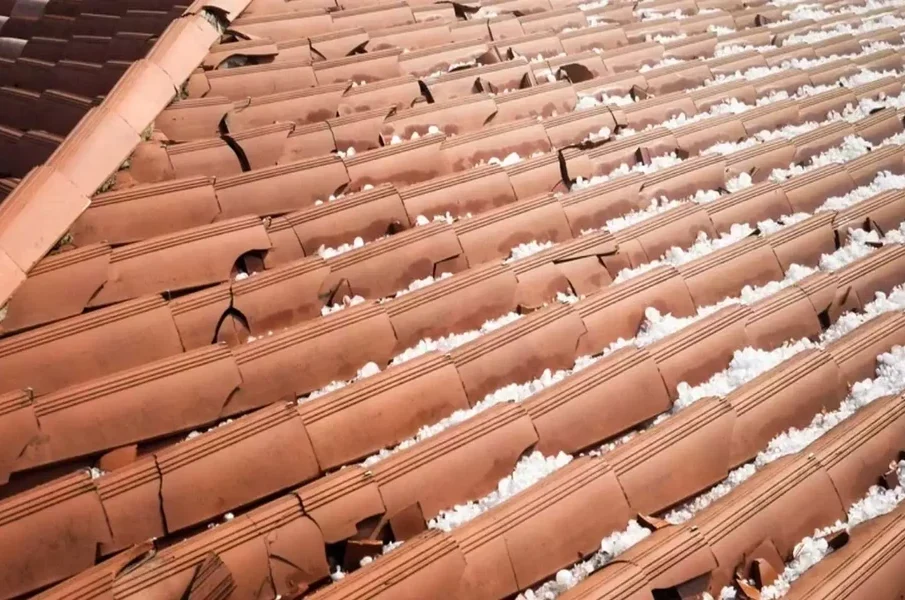
Collin County sits inside one of the busiest hail corridors in the country, and spring storms between March and June regularly drop stones big enough to bruise shingles, crack skylights and dent gutters in a single afternoon. Once a claim is approved, homeowners in Allen face choices that look simple on an estimate but pull against each other once weighed. A tougher shingle costs more. A lighter color fights summer heat but may not match the neighborhood palette. A metal roof shrugs off hail yet can collect dents a policy refuses to cover. Few roofs win on every front, so the real question is which losses you can live with.
For homeowners who want those choices sorted out by a team that works on North Texas roofs every storm season, Vanguard Roofing & Construction operates from North Bonham Drive in Allen and handles roof repairs, installations and full replacements, including storm damage, along with siding, interior and exterior painting, and kitchen and bathroom repairs. That range matters after hail, because the same storm that bruises a roof often chips siding, dings painted trim and leaves a water stain on a bathroom ceiling. One crew looking at the whole house means nothing gets left off the scope. Ring (469) 878-4858 before the adjuster arrives so your estimate reflects everything the storm touched.
Impact Rating Against Upfront Cost
The first tension shows up on the material line of the bid.
Class 4 rating: The top tier of UL 2218, a lab test that drops steel balls as large as 2 inches onto a roof sample. A Class 4 product shows no cracking from the biggest ball.
Impact resistance credit: A premium reduction some insurers give when the installed roof carries a recognized impact rating.
Class 4 architectural shingles usually cost somewhere around 10 to 25 percent more than standard architectural shingles, depending on brand and roof complexity. The Texas Department of Insurance explains how impact resistant roofing credits work, including the product labeling required and the installation form a contractor completes after the job. The size of the credit is set by each insurer, so the payback period can be three years with one carrier and never with another.
One newer wrinkle: research by the Insurance Institute for Business and Home Safety found that some impact rated shingles lose toughness as they age in heat and sun, and the institute now rates shingles using real ice. A rating describes a new shingle, and long Allen summers test it every year after.
Coverage Terms Against Monthly Premium
The second tension lives in your policy.
Replacement cost value: Pays to replace the roof at current prices minus your deductible, usually in two checks, with depreciation released after the work is finished.
Actual cash value: Pays the depreciated value of the old roof, so a 15 year old roof brings back far less money than the new one costs.
Percentage deductible: A wind and hail deductible set as a share of dwelling coverage. At 2 percent on a home insured for $450,000, you pay the first $9,000.
Cosmetic damage exclusion: An endorsement that excludes dents and marks that do not let water in, common on Texas policies written for metal roofs.
The state’s consumer guide shows how replacement cost and actual cash value pay out on the same damaged roof, and the gap grows sharply with roof age. Pair a metal roof with a cosmetic exclusion and you may own a roof that never leaks but looks pockmarked for decades with no claim available.
Heat Performance Against Neighborhood Rules
Allen summers bring long stretches in the upper 90s with regular days past 100, and a dark charcoal roof can reach surface temperatures well above that, pushing heat onto the air handler many local homes keep in the attic.
Cool rated shingle: A shingle with reflective granules that bounce back more sunlight, lowering roof surface temperature without looking like a white roof.
Architectural review: HOA approval of color and material, required in most Allen subdivisions before work starts.
Lighter or reflective shingles help, yet many associations favor a narrow band of browns and grays. Texas law limits how far an HOA can go in blocking hail resistant or energy efficient shingles, provided they resemble the shingles already approved and match the surrounding homes. That protects your right to a tougher or cooler product, but not your right to any color you like.
Full Replacement Against Targeted Repair
The final tension is scope. Patching the worst slopes costs less and may fall under your deductible entirely, while a full replacement brings the whole roof up to current standards.
Targeted repair: Replacing damaged shingles or individual slopes. Minor repairs in Allen generally do not need a permit.
Reroof: A full replacement, which requires a city building permit and inspection under the 2021 International Residential Code the city follows. That means new underlayment, drip edge at eaves and rakes, fresh flashing and replacement of any soft decking found after tear off.
The catch with repairs is matching. Shingle colors get discontinued, and even the same color weathers differently, so a repaired slope can stand out from the street. The code also caps layering, so a roof already carrying two layers cannot be covered again.
| Roof path | What you gain | What you give up | Best fit |
|---|---|---|---|
| Standard architectural shingle | Lowest installed cost, widest color range, easy HOA approval | No impact credit, shorter life under repeated hail | Owners planning to sell within a few years |
| Class 4 asphalt shingle | Possible premium credit, fewer future claims | Higher upfront cost, impact strength that fades with age | Long term owners in hail prone subdivisions |
| Stone coated or standing seam metal | Strong hail and wind performance, long service life | Highest cost, dents may fall under a cosmetic exclusion | Owners with policies that cover cosmetic damage |
| Repair of damaged slopes only | Smallest bill, no permit for minor work | Visible color mismatch, older roof remains | Roofs under 8 years old with limited damage |
Weighing these tensions before the adjuster’s visit beats reacting to whatever the first estimate lists. The right roof for an Allen home is rarely the strongest or the cheapest one. It is the one whose compromises fit how long you plan to stay, what your policy actually pays and how much summer heat you are willing to fight from the attic down.