What Homeowners Should Know About Plumbing Emergencies
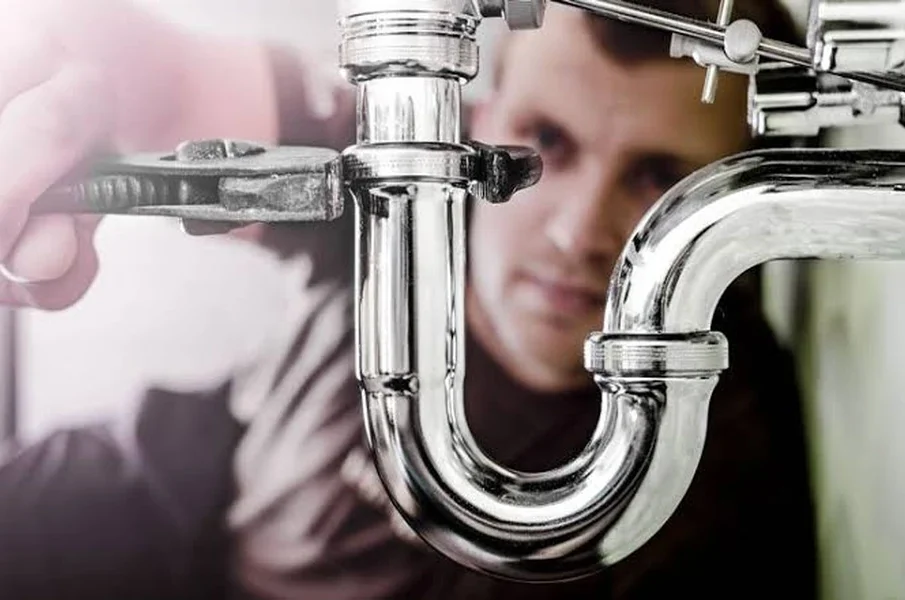
Plumbing problems can happen without warning, disrupting everyday activities and potentially causing significant property damage. A leaking pipe, overflowing toilet, blocked sewer line, or malfunctioning water heater can quickly become a serious concern if the underlying issue is not addressed. Understanding when to seek emergency plumbing services in Smith County can help homeowners respond appropriately, minimize water damage, and restore essential plumbing functions.
1. Recognizing a Plumbing Emergency
Not every plumbing issue requires immediate attention, but certain situations should never be ignored. The severity of a problem often depends on how quickly it develops, how much water is involved, and whether it affects the property’s sanitation or structural condition.
Some common plumbing emergencies include:
- Burst pipes: A damaged water line can release large amounts of water into walls, ceilings, and floors.
- Sewer backups: Wastewater entering sinks, bathtubs, or floor drains can create unsanitary conditions.
- Major water leaks: Uncontrolled leaks can damage furniture, flooring, electrical equipment, and building materials.
- Water heater failures: Leaking tanks or malfunctioning components can interrupt hot water supply and create safety concerns.
- Overflowing toilets: Persistent overflows may indicate blockages or drainage system problems.
Recognizing these warning signs early allows homeowners to take appropriate action before the damage becomes more extensive.
2. What Should You Do When a Pipe Bursts?
A burst pipe is one of the most disruptive plumbing problems because water can spread rapidly through a property. Pipes may rupture because of corrosion, excessive pressure, physical damage, deteriorated connections, or freezing temperatures.
The first priority is to stop the water supply.
Follow these steps when a pipe bursts:
- Locate the main shutoff valve: Turn off the property’s water supply to stop additional water from entering the damaged pipe.
- Protect electrical safety: Keep away from standing water near electrical outlets, appliances, or wiring. If electrical hazards are present, do not enter the affected area.
- Move valuables: Remove furniture, electronics, documents, and other belongings from the affected space when it is safe.
- Document the damage: Take photographs and videos for insurance records.
- Arrange professional repairs: Have the damaged pipe inspected and repaired before restoring normal water service.
The Federal Emergency Management Agency recommends that households identify their main water shutoff valve before an emergency occurs. Knowing its location can make a significant difference when responding to unexpected leaks.
3. Understanding Sewer Line Backups
Sewer line problems require particular attention because they involve wastewater rather than clean water. A blockage in the main sewer line can prevent wastewater from leaving the property, causing it to return through toilets, sinks, showers, or floor drains.
Several factors can contribute to sewer line blockages:
| Cause | Potential Effect |
|---|---|
| Tree roots | Penetrate pipe joints and restrict wastewater flow |
| Grease buildup | Creates stubborn deposits inside drainage pipes |
| Foreign objects | Block the movement of wastewater |
| Aging pipes | Develop cracks, corrosion, or structural deterioration |
| Ground movement | Cause pipes to shift or separate |
Multiple slow drains, unusual gurgling sounds, unpleasant odors, and wastewater appearing in lower-level fixtures can indicate a larger drainage problem.
Avoid using affected plumbing fixtures until the cause has been identified. If sewage enters the property, keep children and pets away from contaminated areas and arrange appropriate professional cleanup.
4. Why Water Heater Leaks Need Immediate Attention
Water heaters operate under specific temperature and pressure conditions. Over time, components such as valves, connections, heating elements, and storage tanks can deteriorate.
A small amount of moisture around a water heater may indicate a loose connection or developing leak. However, water coming directly from the tank can suggest internal corrosion or structural failure.
Common warning signs include:
- Water collecting around the base of the unit.
- Unusual popping or rumbling sounds.
- Inconsistent hot water temperatures.
- Rust-colored water from hot water faucets.
- Visible corrosion around connections.
- Water escaping from pipes or valves.
If the unit is leaking significantly, shut off its water supply if it is safe to do so. For an electric water heater, the power should be disconnected only if the electrical area is dry and accessible without risk. Gas equipment should be handled according to manufacturer instructions and professional safety guidance.
5. How Hidden Leaks Can Cause Extensive Damage
Some plumbing leaks remain concealed behind walls, beneath floors, or inside ceilings. Although they may initially appear minor, continuous moisture exposure can damage building materials and create conditions suitable for mold growth.
Homeowners should investigate unexplained dampness, peeling paint, musty smells, warped flooring, and unusual increases in water bills.
A simple way to check for a possible leak is to monitor the water meter when no water is being used. Record the reading, avoid using plumbing fixtures for a period, and check whether the reading changes.
If water consumption continues despite all fixtures being turned off, an unidentified leak may be present.
Professional leak detection methods can help locate the source without unnecessary damage to walls or floors. Depending on the situation, specialists may use acoustic equipment, moisture meters, thermal imaging, or other diagnostic tools.
6. Preventing Plumbing Emergencies Before They Happen
Although unexpected failures cannot always be prevented, regular maintenance can reduce the likelihood of many common plumbing problems.
A practical maintenance schedule includes the following activities:
Monthly checks
- Inspect faucets and visible pipe connections.
- Check underneath kitchen and bathroom sinks.
- Look for unusual moisture around toilets.
- Clean drain strainers and remove accumulated debris.
Seasonal checks
- Examine exposed pipes for deterioration.
- Inspect outdoor faucets and hose connections.
- Check water heater connections for signs of leakage.
- Review irrigation systems for damaged supply lines.
Annual maintenance
- Arrange an inspection of important plumbing components.
- Evaluate water heater condition and maintenance requirements.
- Check water pressure and pressure-regulating equipment.
- Consider inspecting older drainage and sewer lines.
The U.S. Environmental Protection Agency’s WaterSense Home Maintenance Guide offers additional recommendations for identifying leaks, maintaining fixtures, and improving water efficiency.
7. Special Plumbing Considerations for East Texas Homes
Properties in East Texas can experience different plumbing challenges depending on their location, construction, soil conditions, and water supply.
Periods of heavy rainfall can affect drainage around foundations and place additional pressure on certain sewer and wastewater systems. Changes in soil moisture may also contribute to ground movement, potentially affecting underground plumbing connections.
During colder weather, exposed pipes in garages, crawl spaces, and exterior walls may become vulnerable to freezing. Although prolonged freezing conditions are not constant throughout the region, occasional cold spells can still create plumbing concerns.
Homeowners can reduce these risks by insulating vulnerable pipes, sealing gaps that allow cold air into plumbing spaces, and knowing where the main shutoff valve is located.
Regular inspection of outdoor connections and underground drainage systems can also help identify developing problems.
8. Preparing for Unexpected Plumbing Problems
Preparation is one of the most effective ways to reduce confusion during a plumbing emergency. Every household should maintain basic knowledge of its plumbing layout and important shutoff points.
Consider keeping the following information accessible:
- Location of the main water shutoff valve.
- Water heater supply and isolation valve locations.
- Previous plumbing repair records.
- Appliance installation and maintenance information.
- Relevant insurance documentation.
- Contact details for qualified plumbing professionals.
It is also important to understand that different emergencies require different responses. A leaking faucet may allow time for a scheduled repair, while a burst pipe or sewage backup requires much faster attention.
Taking the correct initial steps can help prevent a manageable plumbing problem from developing into a major property restoration project.
Conclusion
Plumbing emergencies can affect household safety, property conditions, and everyday routines. Burst pipes, sewer backups, water heater failures, and hidden leaks are among the problems that require careful attention and timely repairs.
Homeowners can reduce potential damage by recognizing warning signs, understanding basic shutoff procedures, and maintaining their plumbing infrastructure regularly. Combining preventive maintenance with professional assessment when serious problems arise helps protect residential properties and supports reliable water and drainage systems.