Designing Outdoor Wellness Spaces: How Timber Hot Tubs and Garden Saunas Are Reshaping British Garden Architecture
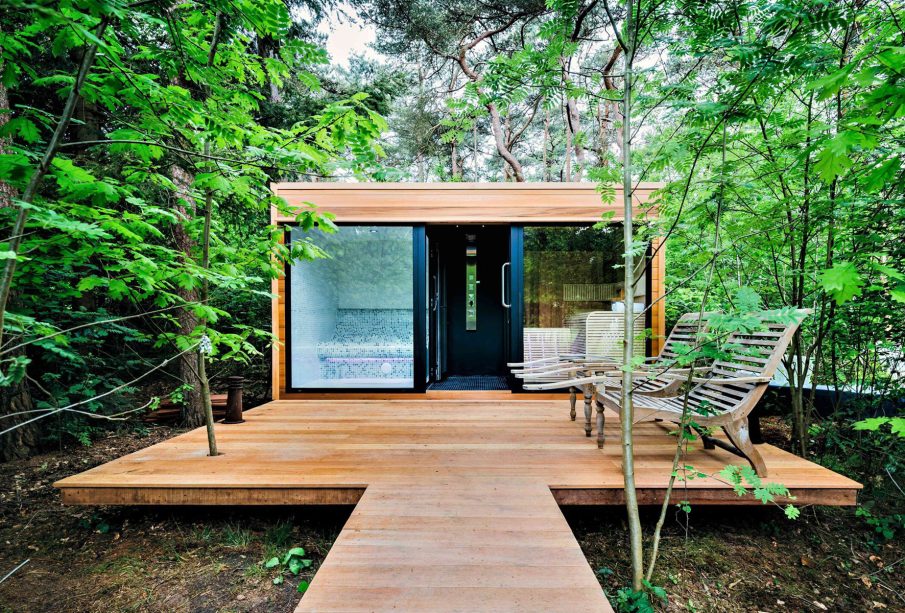
British garden design is entering a new era. While traditional landscaping once revolved around lawns, patios and planting schemes, today’s outdoor spaces are increasingly shaped by architectural intent. Homeowners are no longer focused purely on aesthetics — they are designing gardens that function as extensions of the home.
One of the most compelling developments in this shift is the rise of outdoor wellness architecture. Timber spa structures, heat therapy cabins and natural soaking experiences are no longer novelty additions. They are becoming structural elements within modern outdoor design.
Across the UK, architects, landscape designers and developers are rethinking how outdoor space can support lifestyle, wellbeing and long-term property value.
The Evolution of the British Garden
Historically, British gardens followed predictable formats. From Georgian symmetry to suburban lawns, outdoor environments were largely decorative.
However, the past decade has brought meaningful change. Hybrid working, increased home investment and growing awareness of mental wellbeing have all contributed to a shift towards functional outdoor living.
As a result, gardens are evolving into multi-purpose environments that combine architecture, nature and experience.
This shift has paved the way for the emergence of outdoor wellness as a serious design category.
Why Wellness Structures Are Architectural Elements
Hot tubs and saunas are often seen as accessories, yet in design terms they behave more like architectural installations.
Unlike movable garden furniture, wellness structures:
- Require spatial planning
- Influence zoning and circulation
- Introduce material hierarchy
- Affect visual balance
When thoughtfully integrated, they anchor the entire garden layout.
This is why forward-thinking designers increasingly treat wellness features as primary planning elements rather than afterthoughts.
Timber as the Dominant Material
Among the materials used in outdoor spa construction, timber has emerged as the most influential — particularly within premium installations.
Natural Integration
Timber blends effortlessly into both traditional and contemporary landscapes. It bridges built form and planting, creating harmony that synthetic materials often lack.
Thermal Comfort
In sauna environments especially, timber provides natural insulation and tactile warmth, supporting usability throughout the year.
Design Flexibility
From barrel forms to minimalist cubic cabins, timber allows a wide range of architectural expressions while maintaining authenticity.
This adaptability has made it the material of choice for designers working across varied property styles.
Wood-Fired Hot Tubs as Spatial Anchors
Among all wellness features, wood-fired hot tubs are increasingly used as focal points in outdoor masterplans.
Unlike acrylic spa units, timber tubs introduce craftsmanship and permanence. Their material honesty makes them feel like intentional installations rather than temporary luxuries.
Designers commonly position them:
- Adjacent to terraces for indoor-outdoor flow
- Near garden studios to enhance lifestyle functionality
- At view-facing edges of the landscape
This intentional placement transforms soaking into a spatial experience.
For those researching traditional Nordic bathing formats, resources such as this overview of
provide useful context around how these systems differ from conventional spas.
Brands like TimberIN wood fired hot tubs are often referenced in architectural circles due to their Northern European craftsmanship and material quality.
Garden Saunas and Wellness Zoning
If hot tubs provide focal points, saunas drive the broader concept of outdoor zoning.
Rather than standalone additions, designers are creating layered wellness environments where each area supports a different function.
A typical layout might include:
- A heat therapy cabin
- A cold immersion area
- A relaxation deck
- Soft landscaping buffers
This spa-inspired zoning transforms gardens into cohesive retreats rather than fragmented outdoor spaces.
Those exploring layout ideas can learn more about outdoor spa solutions that integrate naturally into residential settings.
Planning Spatial Flow
Introducing permanent wellness structures requires thoughtful spatial choreography.
Privacy Gradients
Hot tubs and sauna cabins often require greater privacy than dining zones. Designers frequently use layered planting or screening to achieve subtle separation.
Movement Pathways
Where contrast bathing is involved, intuitive circulation enhances usability and encourages repeat engagement.
Visual Harmony
Timber structures bring visual weight. Balancing them with natural materials ensures cohesion across the garden.
When handled well, wellness installations enhance rather than disrupt spatial composition.
Installation Considerations
From a build perspective, most timber wellness structures are surprisingly manageable.
Typical base solutions include:
- Reinforced decking
- Concrete pads
- Stable paving systems
For many UK properties, this makes integration relatively straightforward compared to permanent masonry structures.
Wood-fired models offer additional flexibility due to minimal electrical requirements. Those seeking practical setup insights often refer to an installation guide before planning integration.
Wellness Architecture and Property Appeal
Outdoor wellness is also influencing property desirability.
Gardens that incorporate structured lifestyle zones frequently attract stronger buyer interest, particularly in premium markets. Integrated wellness features create a narrative of experience rather than simple aesthetics.
This aligns with a broader shift in residential architecture: buyers increasingly value how a space feels, not just how it looks.
Craftsmanship as a Design Variable
As outdoor wellness moves into architectural territory, build quality becomes a defining factor.
Key considerations include:
- Timber grading and treatment
- Joinery precision
- Weather resilience
- Component longevity
Designers often prioritise manufacturers with proven durability in Northern European climates, where exposure conditions are particularly demanding.
This craftsmanship focus reflects a wider evolution — outdoor structures are now evaluated with the same seriousness as interior architecture.
Sustainability Considerations
Sustainability is also shaping material choices.
Responsibly sourced timber offers a lower embodied carbon footprint than many synthetic alternatives. Combined with natural heating approaches, this appeals to environmentally conscious homeowners.
As sustainability becomes increasingly central to design briefs, natural materials are likely to remain dominant within outdoor wellness architecture.
Looking Ahead
Several trends are expected to shape the future of wellness-led garden design:
- Modular spa layouts allowing phased development
- Hybrid material combinations blending timber and glass
- Stronger collaboration between architects and landscape designers
- Improved year-round usability through insulation innovations
These developments suggest outdoor wellness will continue evolving from trend to design standard.
Conclusion
Timber hot tubs and garden saunas are no longer niche luxuries. They are emerging as foundational elements in contemporary outdoor architecture.
By combining craftsmanship, spatial intent and experiential design, wellness structures are reshaping how British gardens are planned and experienced.
As homeowners continue prioritising lifestyle-driven environments, outdoor wellness is likely to become a defining feature of future garden design.