Moving Into a Resale Flat? 7 Things Worth Checking Early

Key Takeaways:
- Resale flats may have hidden issues with wiring, plumbing, water damage, and ageing fixtures that are easier to address before moving in.
- Understanding previous renovations can help you decide what to keep, repair, or replace before starting new works.
- Checking fire safety and the flat’s maintenance history can give you a clearer picture of its overall condition.
- Reviewing your home protection after renovations can help you check whether your flat, improvements, and belongings are covered as expected.
Introduction
Buying a resale flat can feel exciting because you are not starting from scratch. You may already have built-in carpentry worth keeping, flooring that still looks good, or a renovated kitchen that saves you from redoing everything.
Still, what looks fine on the surface may not tell the whole story. A working socket could be connected to ageing wiring, fresh paint might cover an old water stain, and older pipes or fixtures may be closer to needing replacement than you realise.
Before you get too deep into renovation plans, take some time to look beyond the finishes. These seven checks can give you a better idea of the flat’s condition and help you sort out potential issues early.
1. Check the Electrical Wiring Before Adding More Appliances
Older flats may have electrical systems that were not designed for today’s heavier appliance use.
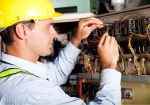
Before renovation starts, ask an electrician to inspect the distribution board, wiring, switches, sockets, and any previous alterations. This can help flag issues early, especially before you add air-conditioners, kitchen appliances, or smart home devices.
It is also much easier to replace concealed wiring before new carpentry and finishes are installed.
2. Test the Plumbing Instead of Checking Taps Alone
Good water pressure does not always mean the plumbing is in good condition.
Run the taps, flush the toilets, and check how quickly sinks and floor traps drain. Look under sinks for moisture, stains, or swollen cabinetry, and watch for slow drainage, unusual smells, or weak water pressure.
It is worth checking concealed pipes too, especially in flats that have gone through several renovations. Plumbing issues are usually much easier to fix before you move in and install new fittings or appliances.
3. Look Closely for Past or Present Water Damage
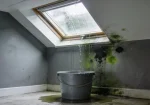
Water damage is not always obvious at first glance. Check for bubbling paint, dark patches, warped wood, ceiling stains, or musty smells, especially near windows, bathrooms, sinks, air-conditioning pipes, and walls beside wet areas.
If you notice a freshly painted patch, ask whether there was a previous leak and how it was repaired. The key is to know whether the source of the moisture was fixed, rather than simply covered up.
4. Understand What Previous Owners Renovated
Existing renovations can save you time and money, especially if the flooring, carpentry, kitchen, or bathrooms are still in good condition.
Ask what major works were done and when, such as:
- Electrical rewiring
- Plumbing replacements
- Bathroom waterproofing
- Wall removal or alterations
- Air-conditioning installation
- Kitchen renovation
- Built-in carpentry
Keep any renovation records, permits, invoices, warranties, or contractor details the previous owner can provide. These can be useful when planning future repairs or upgrades.
5. Decide Which Ageing Fixtures Are Worth Keeping
A resale flat may look move-in ready, but some fixtures could already be showing their age.
Check door hinges, locks, windows, taps, toilet fittings, water heaters, built-in lights, ceiling fans, and air-conditioning units. Open cabinets and drawers too, rather than judging everything from the outside.
You do not need to replace every older item. The aim is to spot what may need attention soon so you can deal with it during renovation and budget more realistically.
6. Review Fire Safety Around the Home
Before moving in, check basic fire safety around the flat. Make sure smoke alarms, if installed, are working, look for damaged or overheated sockets, and avoid overloading power points.
It is also worth understanding what your existing protection covers. For homeowners comparing fire insurance options, HDB Fire Insurance mainly covers the cost of reinstating internal structures, fixtures, and fittings provided by HDB. It does not cover household contents or renovations made by homeowners.
This distinction is worth understanding, especially if the flat comes with built-in cabinetry, upgraded flooring, or other renovations.
7. Ask About the Flat’s Maintenance History
A flat’s current condition does not always tell you what problems have come up before.
Ask about recurring plumbing issues, electrical faults, water seepage, pest problems, air-conditioning servicing, and any major repairs. You may not get a complete history, especially with an older flat, but even a few details can help you know what to watch for.
After moving in, keep your own records of repairs, warranties, servicing, and renovation work. This makes future maintenance much easier to track.
Give Your Resale Flat a Fresh Start
Moving into a resale flat is not about spotting every possible flaw. It is about understanding the home well enough to deal with important issues early and plan your renovation with fewer surprises.
It is also a good time to review how your home, renovations, and belongings are protected. Income offers home insurance options such as Enhanced Home Insurance and Home Ultimate Protect, including options for homeowners looking into all-risks coverage for your home.
A resale flat may come with a history, but it is still the start of a new chapter. A few careful checks now can help you move in with greater confidence and focus on making the space your own.
Speak to an Income Insurance advisor to learn more about the home insurance options available and which type of coverage may suit your needs.