Is Your Roof Still Carrying Last Spring?
Walk to the end of any downspout in Abilene after a dry September week and you will often find a small fan of dark grit where the water last ran out. Most people step right over it. That grit is shingle granules, the coating that shields the asphalt underneath from sunlight. When it piles up at ground level, it is a record of something the roof went through months ago.
That delay is what makes roofing in this part of Texas so tricky. Hail usually arrives between March and June, when warm Gulf moisture collides with dry air sliding off the plains. The damage it leaves is often invisible from the yard. A shingle bruised in April can look fine in May. The long summer that follows, with punishing UV and roof surfaces that run far hotter than the air, is what turns a soft spot into a crack. By autumn, the roof is finishing a story that started two seasons earlier.
Reading that story correctly takes someone who has walked a lot of West Texas roofs, and that is exactly the work Complete Crown Construction does for homeowners in Breckenridge, Abilene and across Central and West Texas. The locally owned company opened its doors in 2019 with a crew carrying 25 years of combined experience, and it covers the full range: roof repair, roof replacement, storm and hail restoration, metal roofing, emergency repairs and commercial roofs. Estimates cost nothing, the team will help you work through an insurance claim, and every job is backed by a 7 year craftsmanship warranty. For anyone wondering what last spring really did up there, it is an easy first call.
The rest of this piece follows the roof through a full year, because each season reveals something different.
Late spring, when the evidence is freshest
The days right after a storm are when proof is easiest to gather, even if the shingles themselves look normal. Hail leaves fingerprints on softer materials first. Walk the property and look for:
- Round dents in gutters, downspouts and metal roof vents
- Flattened fins on the outdoor AC unit
- Torn window screens and chipped paint on the side facing the storm
- Fresh “spatter” marks on fences or siding, where hail knocked off years of grime
Take dated photos of all of it. Wind drives hail sideways across open country, so the slopes facing the storm usually take the worst of it. Even quarter sized stones can loosen granules, and a roof that has seen several storms in a row carries damage that adds up quietly from one year to the next.
Summer, the season that finishes the job
A hail bruise is a fracture in the shingle’s mat that you cannot see from above. Once the granules over it are gone, the asphalt sits exposed to direct sun. It dries out, turns brittle and eventually splits.
Summer speeds all of this up. A roof can bake through a scorching afternoon, then get hit with a cold downpour from a passing thunderstorm, and that sudden shrink and swell works every weak spot loose. Metal roofs age in their own way. On exposed fastener panels, the rubber washers under each screw break down in UV light, and daily expansion slowly backs the screws out. A dent in a metal panel may be purely cosmetic, but a loose fastener is a leak waiting for the next rain.
Autumn, the honest season
By now the roof has shown most of what it is going to show, which makes fall the best time for an inspection. The weather is also far kinder to crews than July. From the ground, you can check a surprising amount yourself:
- Granule piles at downspouts and splash blocks
- Dark, smooth patches on the roof where granules have worn away
- Shingle tabs lifting or missing along ridges and edges
- Cracked rubber boots around plumbing vents, a common failure in strong sun
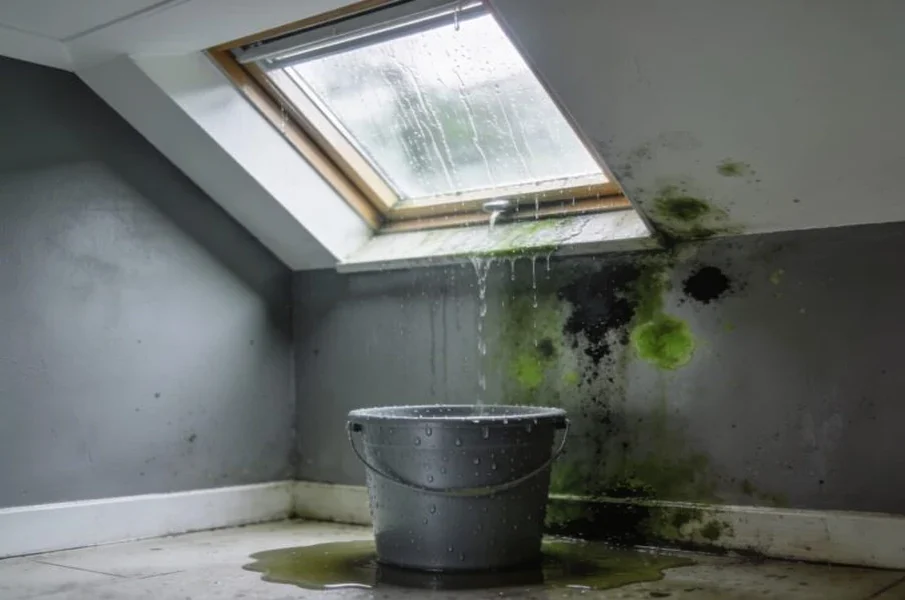
- Stains on the ceiling, daylight showing in the attic, or damp spots in the insulation
If you do suspect storm damage, look at your policy sooner rather than later. Many Texas homeowners policies give roughly a year from the storm date to file a wind or hail claim, and some carriers set a shorter window. While the policy is out, check for a percentage based deductible, a cosmetic damage exclusion, or a roof payment schedule that pays out on depreciated value. Any of these can change what a claim is actually worth to you.
Winter, when small gaps get tested
Freezing rain is rare here. The bigger winter threat is the blue norther, when temperatures crash in a few hours and gusty wind comes with them. A shingle that summer heat already loosened makes an easy target, and one missing tab can let water run under the rest of the course.
This is also when the choice between repair and replacement usually gets made. Repair makes sense when damage is limited to a few spots and the roof is relatively young. Replacement makes more sense when bruising is spread across several slopes, when the roof has taken multiple storms, or when it is getting old for a climate this rough on materials. Asking for photos of every damaged area lets you judge the answer for yourself.
Setting up for the next spring
If replacement is on the table, material choice matters more here than in most of the country. Class 4 shingles have passed the toughest level of the UL 2218 test, in which steel balls are dropped from increasing heights to simulate hail. Texas has required insurers to offer a premium discount for Class 4 roofs since 1998. The discount isn’t applied automatically, though, and the amount varies widely by carrier, so you have to ask for it and provide paperwork showing what is on your roof.
Metal is the other common upgrade. Standing seam panels hide their fasteners, which removes the washer problem entirely. Heavier gauge panels resist denting better, and reflective finishes help with summer heat. Some metal products carry a Class 4 rating too.
Before committing, collect three numbers: the price of a standard roof, the price of the upgrade, and the actual credit your own insurer will give you. Those three figures settle most of the debate.
Then, next September, go take another look at that downspout. If the grit is gone, the roof is doing its job.