The Thermal Barrier: Why Tile Roofs Play by Different Rules When It Comes to Attic Cooling?
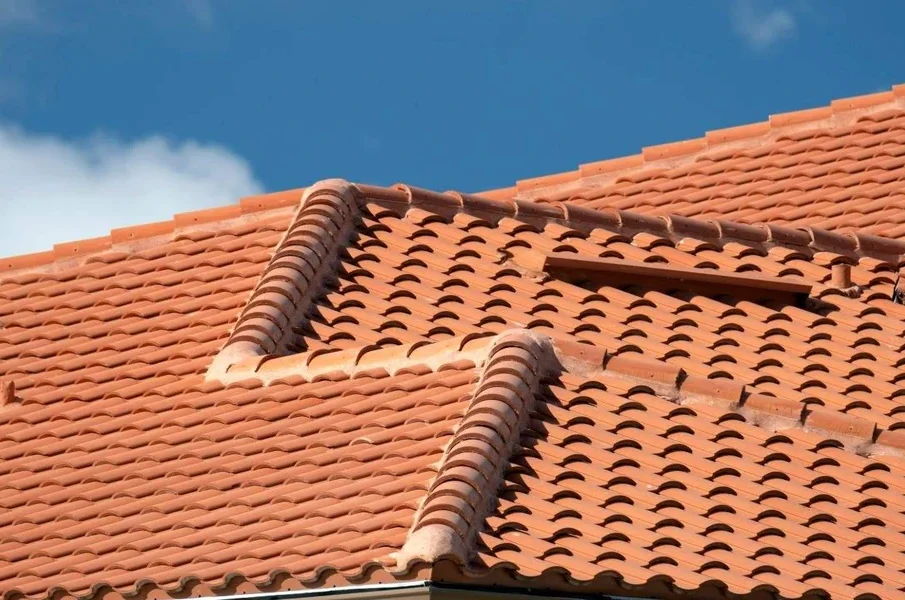
Tile roofs behave differently from other roofing systems when it comes to heat transfer and attic cooling. Their structure, materials, and air gaps create a unique thermal barrier that can significantly influence indoor temperatures and energy efficiency.
How Tile Roofs Manage Heat Differently
Unlike asphalt shingles, tile roofs are not a continuous surface. The curved or flat tiles create small air gaps that allow heat to dissipate before it reaches the roof deck. This natural spacing helps reduce direct heat transfer into the attic.
The material itself also plays a role, as clay and concrete tiles absorb and release heat more slowly than many other roofing materials.
The Role of Airflow Under the Tiles
One of the most important features of tile roofing is the ventilated air space beneath the tiles. This airflow acts as a buffer zone, allowing hot air to escape rather than being trapped.
Proper ventilation is essential for maximizing this cooling effect and preventing heat buildup in the attic.
Impact on Attic Temperature
Because tile roofs reduce direct heat transfer, attic spaces under tile systems often remain cooler compared to traditional roofing materials. This can reduce the strain on HVAC systems, especially during peak summer months.
However, performance depends heavily on proper installation and ventilation design.
Insulation Still Matters
While tile roofs provide a natural thermal advantage, they do not eliminate the need for insulation. Attic insulation works together with roof design to regulate indoor temperatures and prevent heat loss or gain.
Without proper insulation, some of the thermal benefits may be reduced.
Climate Plays a Key Role
Tile roofs perform best in hot, sunny climates where heat reflection and ventilation are most effective. In humid or poorly ventilated environments, the benefits may be less noticeable without additional system improvements.
Common Misunderstandings
Some homeowners assume tile roofs automatically guarantee cooler interiors. While they do offer advantages, performance depends on factors such as underlayment quality, ventilation, and attic insulation.
Ignoring these elements can limit overall efficiency.
Final Thoughts
Tile roofs function as a natural thermal barrier by combining material properties with built-in airflow gaps. When properly installed and ventilated, they can significantly improve attic cooling performance. However, their effectiveness depends on a complete roofing and insulation system working together rather than the tiles alone.
This post was written by a professional at Coastal Brothers Roofing. Coastal Brothers Roofing is a family-owned Tampa roof installation company offering expert re-roofing and repair services. Whether you need a tile roof replacement in Clearwater, FL, or maintenance, we install premium shingles, tile, metal, and low-slope systems, including products from Tamko and Owens Corning. Our team also provides gutter, soffit, fascia, and emergency tarping. Trusted as one of the best residential roofing companies near you, we deliver durable, high-quality roofing systems built for Florida’s climate.