Smart Ways to Save Fuel in Construction and Farm Equipment
Running heavy machinery is expensive, and fuel is one of the highest costs in both construction and farming. With rising fuel prices and tight profit margins, every litre matters, which is why Construction Project Optimization Techniques increasingly focus on fuel efficiency. When machines use more fuel than necessary, money is wasted, productivity drops, and maintenance costs rise. That is why fuel efficiency is no longer just a good idea—it is a must for any serious operation.
Fuel efficiency is not only about saving money, as it also helps reduce harmful emissions, protects the environment, and keeps equipment running longer.
Fuel Efficiency
For normal vehicles, fuel use is measured in miles per gallon. But in the case of heavy equipment, fuel efficiency is measured by how much work is done per gallon.
Fuel economy indicates how much fuel is used, and fuel efficiency shows how well the fuel is used to complete a task. The main goal is to get the maximum output from every drop of fuel.
Why Fuel Efficiency Matters
Fuel is often the second-highest cost after labour. When machines waste fuel, business owners lose money every day. Improving fuel efficiency directly improves profits.
There is also an environmental benefit. Diesel engines release smoke, soot, and harmful gases. Using less fuel lowers pollution and creates a cleaner worksite. Less fuel use also means fewer engine hours, which reduces wear and tear. This can lower repair costs and extend the machine’s life.
Use Fuel-Efficient Equipment
Modern machines are designed to save fuel. Many now come with features such as automatic idling systems, power-saving modes, smart transmissions, advanced hydraulics, and digital fuel tracking.
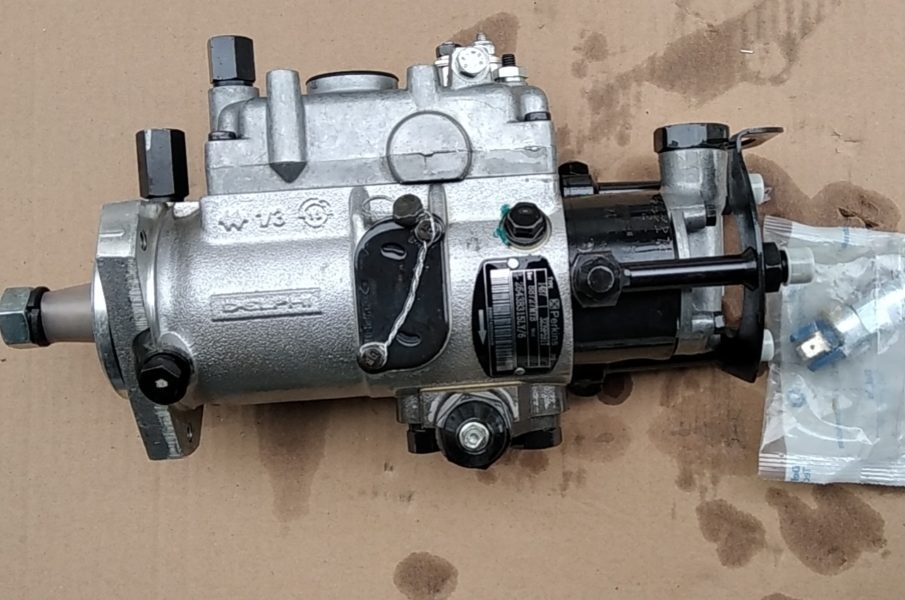
New fuel injection systems carefully control when and how fuel is sprayed into the engine. This allows the fuel to burn more completely, which improves power while reducing waste and emissions. These upgrades make current machines far more efficient than older models.
Train Operators Properly
Even the most advanced machine can waste fuel if it’s used incorrectly. Operators play a major role in fuel efficiency. Everyone should be trained to follow simple habits such as avoiding hard acceleration, steady speeds, reducing unnecessary travel, and limiting idle time.
Some machines now include automatic engine shutdown features. These systems turn off the engine after long idle periods, helping prevent fuel loss.
Maintain Tires and Filters
Tire pressure is important for fuel use. Underinflated or overinflated tires can create extra resistance, which forces engines to work harder. Even a small pressure drop can increase fuel consumption. Regular tire checks can greatly improve efficiency.
Clean air filters are also important. A dirty filter blocks airflow and makes the engine work harder and burn more fuel. Keeping filters clean helps engines run smoothly and saves fuel.
Final Thoughts
Fuel efficiency is achieved through the right equipment, maintenance, and smart operating habits. Small changes can lead to major savings. When machines use fuel wisely, businesses lower costs, increase productivity, and reduce their environmental impact. Every drop saved helps your operation run stronger and smarter.