Indoor Air Quality in a Desert Home: What Affects It and How to Improve It
Living in the Arizona desert means dealing with fine dust, pollen, dry air, and long stretches of air conditioning that keep windows closed for months. All of that shapes the air you breathe indoors. Many homeowners focus on temperature and overlook air quality, yet the two are closely linked, because the same system that cools your home also moves air, and whatever is in it, through every room. Understanding what affects indoor air, and which upgrades actually help, lets you make sensible choices instead of buying products that promise more than they deliver. A knowledgeable HVAC company in Mesa can evaluate your system and recommend improvements suited to your home, but it helps to know the basics first.
This guide covers the main factors that influence indoor air quality, the equipment that addresses each one, and the habits that keep the air cleaner.
What Is in Your Indoor Air
Indoor air is a mix of gases, particles, and moisture, and the sources are often ordinary parts of daily life.
- Dust and fine particles, which enter through doors, windows, gaps, and ductwork, and are especially common in dry, windy regions
- Pollen and outdoor allergens, carried in on clothing, pets, and open doors
- Pet dander, which circulates easily and settles on fabrics
- Mold spores, which grow where moisture collects, such as drain pans, leaky ducts, and damp corners
- Volatile organic compounds (VOCs), released by paints, cleaning products, furnishings, and some building materials
- Combustion byproducts, including carbon monoxide from fuel-burning appliances, which is a serious safety hazard
- Dry air, which is not a pollutant but can irritate the nose, throat, and skin
The U.S. Environmental Protection Agency explains the sources and health effects of these pollutants in its indoor air quality resources, which is a useful starting point for anyone who wants a deeper understanding.
Why the Desert Climate Is Different
Dry climates create a distinct set of conditions. Fine dust finds its way into homes through even small gaps, and it settles into filters, coils, and ducts faster than in many other regions. Low humidity can leave the air feeling harsh, while evaporative or refrigerated cooling systems each have their own effects on moisture. Because windows stay closed during extreme heat, indoor pollutants have fewer chances to escape, so filtration and ventilation matter more.
Filtration: The First Line of Defense
The air filter is the simplest and most effective tool for capturing particles. Filters are rated by MERV, a scale that indicates how well they trap particles of different sizes. Higher numbers capture smaller particles, but there is a trade-off.
- Basic fiberglass filters protect equipment but capture little of what you breathe.
- Pleated filters with moderate MERV ratings trap more dust, pollen, and dander and suit many homes.
- High-MERV filters capture very fine particles but restrict airflow if the system was not designed for them, which can strain the blower and reduce cooling performance.
- HEPA filtration is highly effective but usually requires dedicated equipment rather than a standard furnace filter slot.
Before upgrading to a denser filter, ask a professional whether your system can handle it. Replace filters on schedule, and more often if you have pets, construction dust, or heavy seasonal pollen.
Ventilation: Bringing Fresh Air In
A tightly sealed home saves energy but can trap pollutants. Mechanical ventilation brings in outdoor air in a controlled way.
- Exhaust fans in kitchens and bathrooms remove moisture, cooking fumes, and odors, and should vent outdoors
- Fresh-air intakes connected to the HVAC system can supply measured amounts of outdoor air
- Energy or heat recovery ventilators exchange air while reducing the energy lost in the process
In desert climates, outdoor air may carry dust or extreme heat, so ventilation strategy deserves thought. Timing and filtration matter as much as the equipment itself.
Humidity Control
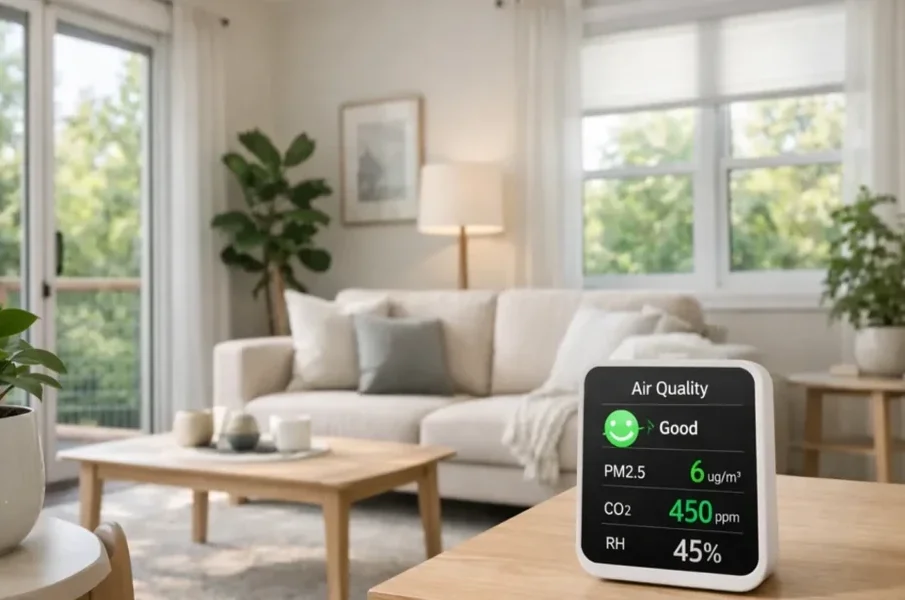
Both very dry and very damp air cause problems. Extremely low humidity can irritate airways and dry out wood furnishings, while high humidity encourages mold and dust mites. A comfortable range is generally considered to be roughly 30 to 50 percent. A whole-home humidifier can add moisture to dry air, and a dehumidifier or properly functioning air conditioner can remove it. A simple hygrometer shows what your home actually experiences, so you can respond to real readings.
Duct Condition and Cleanliness
Ductwork carries air to every room, so its condition affects what you breathe.
- Leaky ducts can pull dusty attic air into the system and waste conditioned air
- Disconnected or damaged sections reduce airflow and may draw in contaminants
- Moisture in ducts can support mold growth
- Dust buildup may circulate through the home, especially after renovation
Sealing leaks and insulating ducts in unconditioned spaces often improves both air quality and efficiency. Duct cleaning is sometimes recommended after construction, pest problems, or visible contamination, but it is not automatically necessary. Ask the contractor to show you evidence of a problem before agreeing to it.
Air Purification Options
Several technologies are marketed for air cleaning, and they differ in effectiveness.
- Portable HEPA purifiers are effective for individual rooms when sized correctly
- Whole-home electronic air cleaners capture particles using an electrical charge and can work well when properly maintained
- UV lights installed near the coil may help limit microbial growth on the coil surface, but they do not remove dust or gases from the air
- Ozone-generating devices should be avoided, since ozone is a lung irritant
Be skeptical of any product that claims to eliminate all pollutants. Source control and ventilation usually deliver more benefit than gadgets.
Moisture, Drain Lines, and Mold Prevention
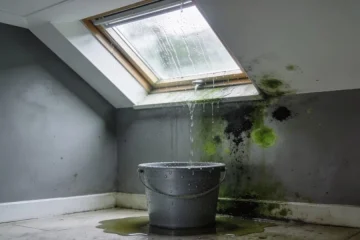
Air conditioners pull moisture from the air, and that water must drain away properly. A clogged condensate line can back up, leak, and create ideal conditions for mold. Check the drain pan and line periodically, keep the area around the indoor unit dry, and fix leaks promptly. If you notice a persistent musty odor, visible growth, or water stains, have it investigated rather than masking the smell.
Everyday Habits That Make a Difference
- Change filters on schedule and keep a reminder on your calendar
- Keep vents and returns clear of furniture and rugs
- Use exhaust fans while cooking and bathing
- Vacuum with a HEPA-equipped machine and clean soft furnishings regularly
- Remove shoes at the door to reduce tracked-in dust
- Choose low-VOC paints and cleaning products when possible
- Seal gaps around doors, windows, and utility penetrations to limit dust entry
- Install carbon monoxide detectors on every level and near sleeping areas, and test them regularly
Signs Your Indoor Air May Need Attention
- Persistent dust that returns soon after cleaning
- Musty or stale odors
- Visible mold or water stains
- Allergy-like symptoms that improve when you leave the house
- Rooms that feel stuffy or poorly ventilated
- Air that is very dry or noticeably clammy
- A system that struggles to maintain airflow
These signs have many possible causes, so a professional evaluation is the best way to identify the source. If a carbon monoxide alarm sounds, leave the house and call emergency services.
Questions to Ask an HVAC Contractor
- What is affecting the air quality in my home, and how can you confirm it?
- Can my system handle a higher-rated filter without losing airflow?
- Are my ducts leaking or contaminated, and how will you show me?
- What ventilation or humidity control options fit my home?
- Which products do you recommend, and what evidence supports them?
- What maintenance will the new equipment require?
- Are your licensing and insurance documents available?
Final Thoughts
Good indoor air does not come from a single device. It comes from a combination of source control, proper filtration, balanced ventilation, humidity management, and well-maintained equipment. In a desert home, where dust is constant and windows stay shut for long stretches, these basics matter even more. Start with the simple steps, rely on measurements and professional evaluation instead of marketing claims, and build improvements gradually. The result is air that is cleaner, more comfortable, and easier on the people who live with it.