What Affects Heat Pump Efficiency? Key Factors for Better Home Comfort
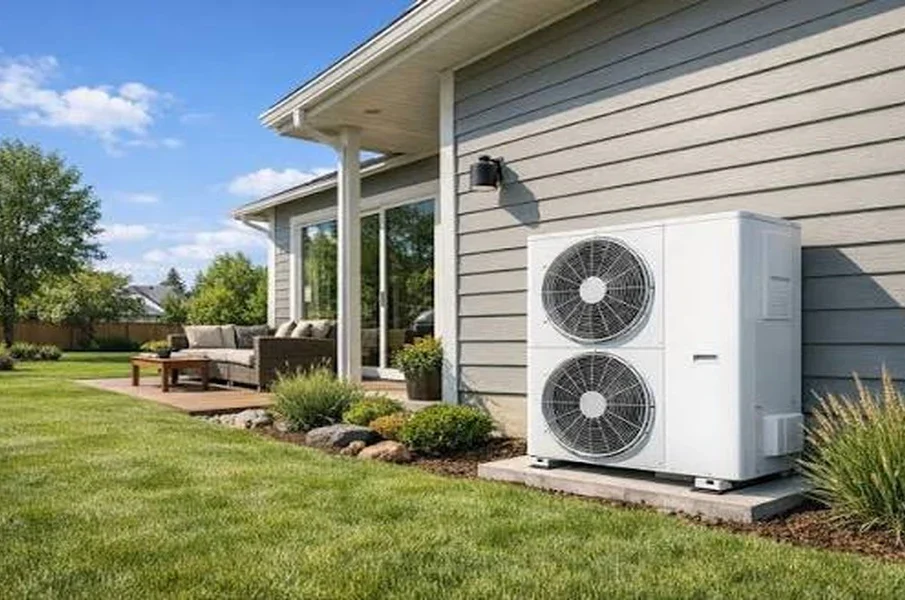
Heat pump efficiency affects comfort, energy use, and monthly operating costs. Several factors can make a system work harder than necessary, from poor airflow and incorrect sizing to neglected maintenance. Knowing what influences performance can help homeowners spot problems early and keep heating and cooling more consistent throughout the year.
A heat pump can keep your home comfortable in both warm and cool weather, but its efficiency depends on more than the equipment itself. System size, airflow, maintenance, thermostat settings, and outdoor conditions all affect how much energy it uses. When performance starts to slip, comfort may become uneven and utility costs can rise. Professional energy-efficient heat pump services can help quickly identify issues that reduce output and place extra strain on the system. Understanding the main factors behind heat pump efficiency makes it easier to protect comfort, reduce unnecessary energy use, and know when professional attention may be needed.
Proper Heat Pump Size Matters
A heat pump that is too small may run for long periods while struggling to reach the thermostat setting. An oversized unit can cycle too often, causing uneven temperatures and unnecessary wear. Correct sizing should consider the home’s layout, insulation, windows, and heating and cooling needs.
Airflow Has a Direct Impact on Performance
Heat pumps need steady airflow to move conditioned air through the home. Clogged filters, blocked vents, or other airflow problems can make the system work harder and use more energy.
Check filters regularly, keep supply and return vents clear, and pay attention to rooms that suddenly feel warmer or cooler than usual. Weak airflow should be checked if it continues.
Maintenance Helps Protect Efficiency
Routine maintenance can help identify dirty, worn, or poorly performing components before they cause bigger comfort problems. A well-maintained system is better positioned to operate efficiently during periods of heavy use.
Professional energy-efficient heat pump services can help address maintenance and repair needs when performance starts to decline. Timely service may also help prevent extra strain on the equipment.
Thermostat Settings Influence Energy Use
Large or frequent thermostat changes can increase run time. A steady, comfortable setting usually supports more consistent operation. If the thermostat gives inaccurate readings, the heat pump may run longer or cycle more often than necessary.
Outdoor Conditions and System Condition Matter
Outdoor temperature and humidity can affect heat pump performance because the system transfers heat between indoors and outdoors. Age also matters. Unusual noises, weak airflow, frequent cycling, or rising energy bills can be signs that the system needs professional attention.
Frequently Asked Questions
Q.1 Can a dirty filter really lower heat pump efficiency?
Yes. A dirty filter can restrict airflow, forcing the system to work harder to move air through the home.
Q.2 Why does my heat pump keep turning on and off?
Frequent cycling can be linked to sizing, thermostat problems, airflow restrictions, or other system issues that should be checked.
Q.3 Does heat pump efficiency change with the weather?
Yes. Extreme outdoor temperatures can affect how hard the system must work to maintain indoor comfort.
Q.4 When should a heat pump be professionally checked?
Schedule service when you notice unusual noises, weak airflow, uneven temperatures, frequent cycling, or unexplained increases in energy use.
Keep Your Heat Pump Working at Its Best
Heat pump efficiency depends on several connected factors, including correct sizing, steady airflow, regular maintenance, sensible thermostat settings, outdoor conditions, and the overall condition of the equipment. Ignoring one area can make the system work harder, reduce comfort, and increase energy use over time.
Homeowners can support better performance by replacing filters as needed, keeping vents open, using consistent thermostat settings, and watching for early warning signs such as weak airflow or frequent cycling. Professional maintenance is also important when the system needs more than basic homeowner care.
If comfort has become uneven or energy use is rising without an obvious reason, energy-efficient heat pump services can help identify the cause and determine whether maintenance or repair is needed. Addressing problems early can support reliable heating and cooling, reduce unnecessary strain, and help your heat pump deliver more consistent home comfort throughout the year.