Preventing Long-Term Damage in Asphalt Surfaces
Introduction
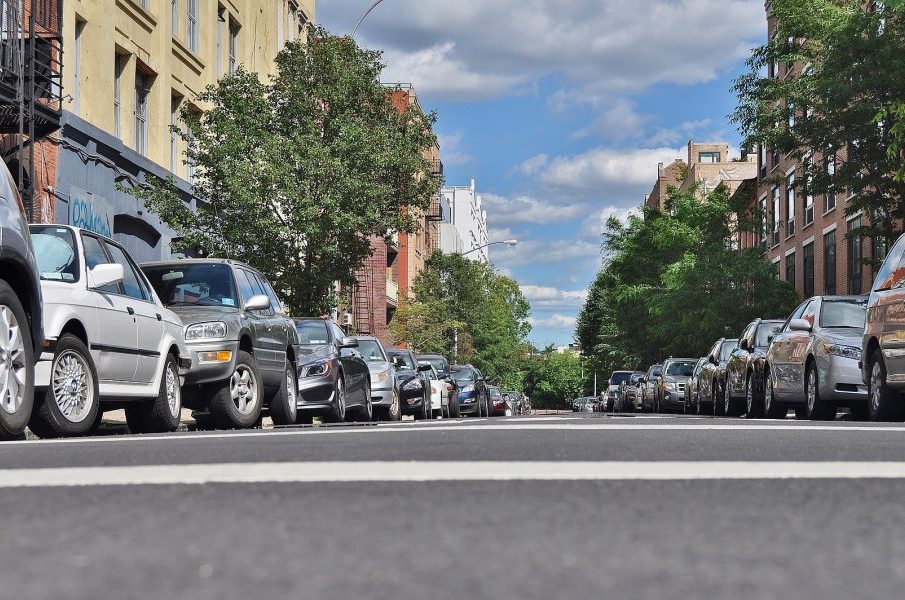
Due to its cost-effectiveness and durability, asphalt is a common surface for roads, driveways, and parking lots. Nevertheless, because asphalt is exposed to sunlight, water, and temperature fluctuations, it can slowly deteriorate over time with constant vehicle usage. proactive parking lot maintenance helps identify and address minor cracks and surface wear early before they develop into serious structural damage. Unless these issues are handled promptly, small problems can escalate into costly repairs and safety hazards.
- Frequent Screening to identify at an early stage.
Regular inspections are one of the best methods of protecting asphalt surfaces. Owners of property and maintenance teams ought to regularly inspect to find out the initial signs of degradation such as small cracks, fading or uneven surfaces.
By detecting these issues at an early stage, they will be able to repair them in time before they propagate or intensify. Consistent checks also aid in the detection of drain issues or places that are subject to high traffic wear and tear and thus can easily solve problems before they demand costly surfacing or redesigning.
- Fixing Cracks in Real Time.
Cracks are the most widespread cause of asphalt long-term damages. Once small cracks emerge on the top, water may leak into layers of pavement. The effect of this moisture over time is the base weakening and formation of bigger cracks, potholes and structural failure.
Sealing cracks immediately they are formed will ensure that the water does not seep into the pavement or damage the undercarriage of the asphalt coating. Swift repairs ensure that the pavement is kept strong, in addition to making roads and roads safer for vehicles and pedestrians.
- Ensuring Proper Drainage
One of the greatest threats to asphalt surfaces is water. Stagnant water causes poor drainage and corrosion and weakens the pavement, thus increasing the degradation rate.
To avoid damage from moisture, proper drainage systems should be installed so that water can flow out of the asphalt driveway. It is possible to mitigate water accumulation by routinely clearing drainage systems and monitoring slopes and ensuring the pavement does not suffer structural issues in the long term.
- The use of Protective Sealcoating.
Sealcoating is a protective type of coating in which an asphalt surface is covered to protect it against damage by the environment. This procedure forms some kind of shield to minimise the impact of sunlight, rain, oil spills and chemical contacts.
The emphasis of the organisations in the industry like the National Asphalt Pavement Association on the significance of sealcoating as a long-term maintenance of pavement is enough. Flexibility and strength of asphalt are maintained by regular sealcoating as well as enhancing the appearance of the asphalt.
- Managing Traffic Load
Overweight and traffic congestion may increase the rate of asphalt degradation. Big trucks, construction equipment and overloaded vehicles are also a tremendous burden to the pavement particularly when the asphalt was not meant to sustain such weight. The need to distribute heavy vehicles along certain paths and control the traffic modes can be effective in alleviating the pressure on sensitive regions. Adequate management of the traffic enables the asphalt to sustain its structural capacity in the long run.
- Routine Cleaning and Maintenance.
Maintenance of clean asphalt surfaces is also significant in ensuring that no damage is caused. The chemical spills, dirt, and debris may over time undermine the surface and lead to deterioration. The frequent sweeping and cleaning of the pavement can eliminate the dangerous substances and preserve the state of the pavement. Regular repairs will make the asphalt surface smooth and safe and working.